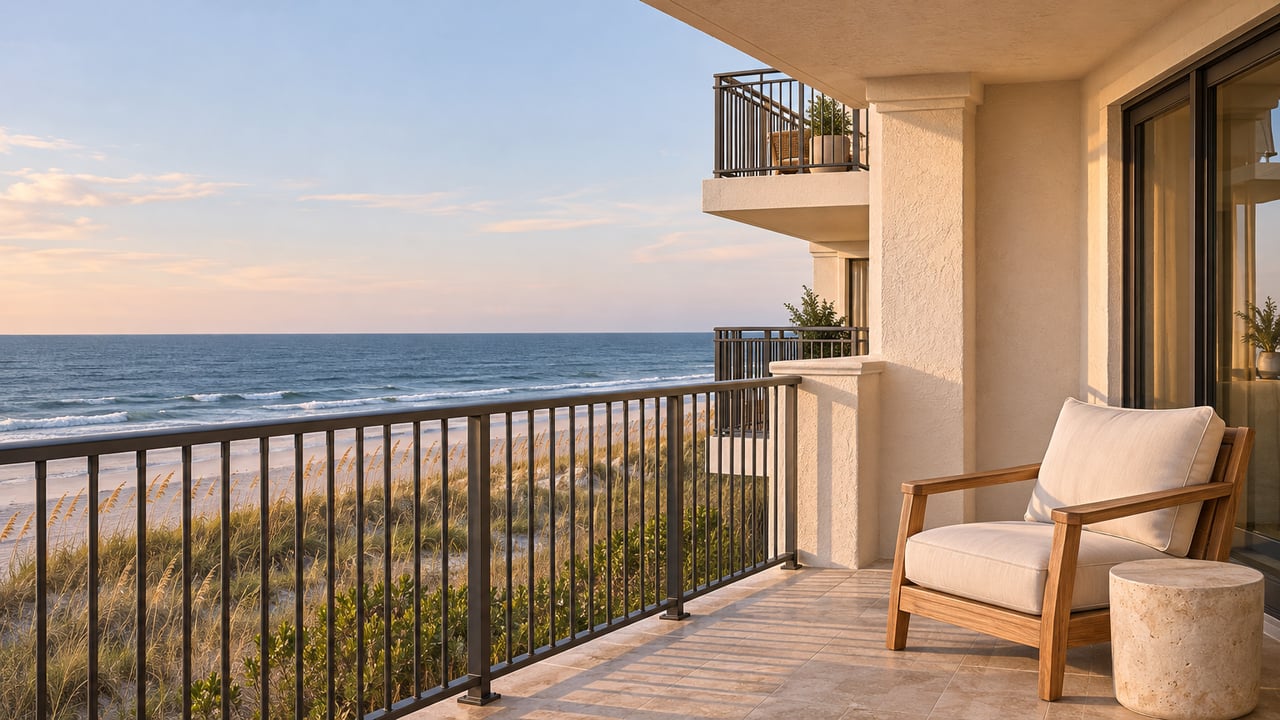
The boardwalk at Seaside Park has been showing its age for a while now. The shade structures near the Sadler Road beach access look tired, the paving has settled in places, and the walkover has the kind of wear you only notice after you've crossed it a few hundred times. That's about to change. What's less obvious, and more interesting if you live here, is who ends up holding the bill once the construction fencing comes down.
As reported by the Fernandina Observer, Seaside Park is the first stop in a much larger project called the Amelia Island Beach Harmonization plan, a multi-year effort to rebuild and standardize seven public beach access points across the island. The concept has been in motion since 2021, when Nassau County kicked off outreach that eventually pulled in more than 1,200 survey responses, 86 percent of them from Fernandina Beach residents. The City Commission approved the conceptual framework in 2023. This past spring, staff told commissioners that design and engineering on Seaside Park had reached 90 to 99 percent completion, with state environmental permits already secured. On August 19, 2026, the commission voted 5-0 to approve an interlocal agreement with the county and move the project toward a September invitation to bid, with construction targeted for this fall.
If you use that beach access, here's what's actually on the drawing board.
What Changes at Seaside Park
The scope isn't cosmetic. According to the presentation Deputy City Manager Lana Kremov and city staff gave the commission, the project includes:
- New boardwalks and paving to replace the aging walkover
- Shade-structure replacement
- Stormwater infrastructure upgrades
- Turtle-friendly lighting
- New landscaping, benches, and bike racks
- Reworked parking-area hardscapes
- Updated, standardized signage matching the design language planned for the other six parks
That last point is the actual point of "harmonization." The goal isn't just to fix one tired park. It's to give every beach access on the island the same materials, the same wayfinding, and the same look, so that Seaside Park, Main Beach, and North Beach Park eventually read as one connected system instead of seven parks built in seven different decades. Deputy City Manager Jeremiah Glisson described it to commissioners as less of a single project and more of a framework guiding decisions over decades.
Construction is expected to begin this fall and phase through the winter, with the goal of having Seaside Park ready before next year's beach season. If you park here regularly, expect the access to look different by spring, and expect some inconvenience getting there in the meantime.
The Money Behind the Fence
Here's where the project gets more interesting than a typical park refresh. Seaside Park carries a $3.9 million price tag. Nassau County's tourist development tax, the "bed tax" collected from short-term rentals and hotel stays, covers roughly 70 percent of it. The city covers the remaining 30 percent and will manage the actual bidding and construction. County staff also arranged a cash-flow advance so the city isn't waiting on reimbursement to pay contractors as work happens.
Zoom out and the number gets bigger. Nassau County's own parks accounting lists $11 million earmarked for beach harmonization work across what the county describes as its four primary beachfront parks, structured as partnerships with the city under similar cost-share terms. Seaside Park is the test case for that whole structure. If it goes smoothly, expect Main Beach and North Beach Park to follow the same funding template.
Long-Term Maintenance
The part of this story that doesn't show up in a ribbon-cutting photo is what happens after construction wraps. The bed tax pays to build these parks. It doesn't pay to keep mowing them, repairing storm damage, or replacing shade sails five years from now. That responsibility lands on the city, and a follow-up piece in the Fernandina Observer estimated the ongoing maintenance load across the upgraded parks at more than $500,000 a year, a cost the city would absorb alongside its other obligations. The same year Seaside Park moved toward construction, the city also opened its new waterfront park downtown, which comes with its own maintenance line, and commissioners turned to paid parking in the historic district in hopes of generating roughly $2 million annually for improvements.
The project also raises a practical question about how construction and maintenance responsibilities are coordinated. Nassau County collects more than $11 million a year in bed tax revenue, split with the city based on population rather than where the tax was actually generated. The parks getting the harmonization treatment are being built, understandably, as tourism assets first. Fernandina Beach is the one that ends up staffing them, repairing them after storms, and paying the electric bill on that new turtle-friendly lighting. Seaside Park is a good project. It's also the first data point in a longer question about how the entity funding construction and the entity funding upkeep will work together over the life of these parks, not just for one bid cycle.
One comment on the Fernandina Observer's coverage of the spring presentation put it plainly: the Seaside Park walkway had been rebuilt only a few years earlier, and some residents would rather see that money redirected to a different, more neglected access point than have this one redone twice in a decade. That tension, between doing Seaside Park right and doing it again, is baked into a plan built to run for years across seven separate sites.
Who's Next in Line
The harmonization plan doesn't stop at Seaside Park. The full list of access points touched by the effort spans both city and county property: Seaside Park, Main Beach, North Beach Park, Peters Point, Burney Park, and additional locations still working through design. Based on the sequencing city and county staff have described, Main Beach and North Beach Park are the next two in the queue once Seaside Park's construction wraps, which means the parking lot and boardwalk changes happening this fall are effectively a preview of what's coming to those two locations afterward, on the same funding split and likely the same design language.
What This Means for Your Fall
If Seaside Park is part of your regular routine, whether that's an early walk, an evening with the dog, or the spot where you park to get to the sand, plan around a construction window that starts this fall and phases through winter. Expect temporary changes to parking access and possible partial closures as the boardwalk and shade structures come out and go back in. The design work is done and the permits are in hand, so the project is about as close to shovel-ready as a public works job gets. What isn't settled yet is the longer conversation about how the city funds the upkeep of a beach park system that Nassau County is building largely with tourist dollars.
That's a conversation worth watching if you own property near any of these access points, since decisions about maintenance funding tend to show up eventually in service levels, in the condition of shared amenities, or in how local budgets get balanced. It's also just useful to know before you show up at Seaside Park expecting the same lot you parked in last month.
If you're trying to figure out how construction at Seaside Park or the parks that follow might affect a specific street or access point near a home you own or are considering, Daniel Hulett can walk through what's actually planned for your part of the island.