Buying a home near the coast is exciting, but it also comes with details you do not want to overlook. On Amelia Island, construction choices are shaped by flood exposure, salt air, heat, rain, and wind in ways that can affect both day-to-day comfort and long-term upkeep. If you are evaluating homes in Fernandina Beach, this guide will help you spot the coastal construction details that matter most so you can ask better questions and make a more informed decision. Let’s dive in.
Why Coastal Construction Matters Here
Amelia Island is a barrier island, and the City of Fernandina Beach says almost all permitted development requires floodplain review. That alone tells you coastal construction is not just about style. It is about how a home responds to local conditions and regulations.
The climate also plays a big role. NOAA climate normals for Fernandina Beach show a warm, wet environment with an annual mean temperature of 70.0°F, annual precipitation of 49.93 inches, and a July mean daily maximum of 90.7°F. In practical terms, that means homes here benefit from smart drainage, shade, corrosion resistance, and strong wind protection.
Start With Flood and Elevation
If you are touring homes on Amelia Island, flood-related details should be near the top of your checklist. The City of Fernandina Beach notes that each property has a unique flood profile, so it is important to look at the specific parcel rather than rely on general assumptions about an area.
Ask for the property’s flood zone, base flood elevation, and design flood elevation. It is also wise to ask whether an elevation certificate exists. These details can help you understand how the home was built, how it may need to be maintained, and what future improvements could involve.
The city also states that if a structure in a Special Flood Hazard Area is substantially damaged or substantially improved, it must be brought into compliance, including elevation to or above the base flood elevation. That can have major planning and budgeting implications if you are considering a renovation project.
One more practical point matters here. The city states that standard homeowner and commercial insurance policies do not cover flood losses. As you compare homes, understanding the flood profile early can help you avoid surprises later.
Look Closely at the Foundation
Foundation design can tell you a lot about how a home responds to coastal conditions. In Old Town Fernandina Beach, the city’s design guidance says many historic buildings rest on raised masonry foundations, either continuous walls or piers.
That same guidance recommends raising new construction on piers or continuous foundations with open spaces between piers. This approach reflects both local building character and practical response to site conditions. A raised foundation can be an important clue that a home was designed with local environmental realities in mind.
If you are looking at an older home, pay attention to the visible foundation materials and overall condition. In the historic district, materials may include brick, beveled or rock-faced concrete block, and coquina. What matters is not only appearance, but also whether the structure looks well maintained and appropriate for the setting.
Check Exterior Materials Carefully
On Amelia Island, exterior wall materials are not just a design choice. They affect durability, maintenance, and how well repairs hold up over time. In Fernandina Beach’s historic guidance, wood is described as the predominant material, with brick and stucco also common.
The city also notes that cementitious siding is appropriate for Florida’s climate. By contrast, vinyl siding is discouraged or not permitted in the district guidance. If you are buying in Old Town or downtown Fernandina Beach, material compatibility may matter as much as the material itself.
That means you should ask whether past repairs used compatible sealants, siding products, and finishes. A home can look polished at first glance, but mismatched repairs may create performance issues over time, especially in a coastal setting.
Historic District Context Matters
If a home is in Old Town or another regulated district, exterior changes may be subject to design guidelines or review rules. The city’s guidance emphasizes that new work should fit the surrounding scale, roof form, massing, setbacks, and rhythm of openings rather than create a false historic appearance.
For you as a buyer, that matters for two reasons. First, it can affect what changes you may want to make after closing. Second, it can help explain why neighboring homes look and function the way they do.
Evaluate the Roof and Shade Features
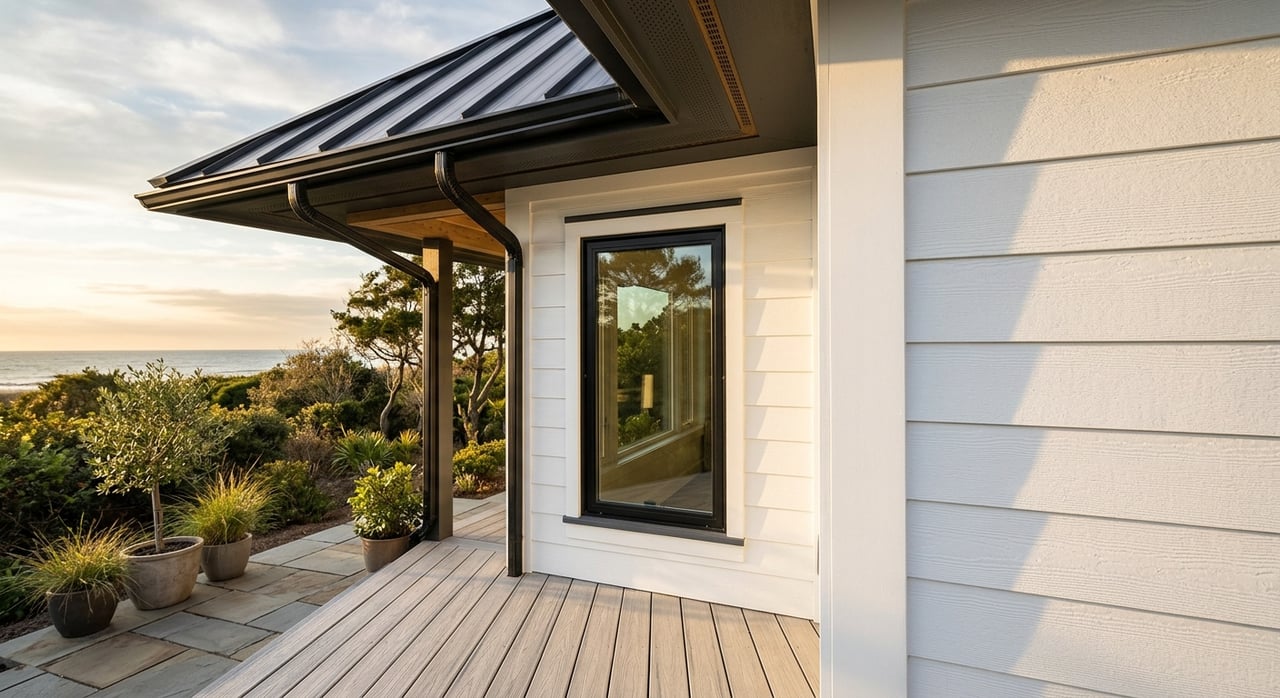
A roof does a lot of work in a coastal home. In Old Town guidance, simple pitched roofs, especially gable and hip forms, are favored. Replacement roof materials may include composition shingles, tabbed asphalt shingles, or metal.
As you walk a property, look beyond the age of the roof alone. Think about roof shape, visible condition, drainage, and whether the material appears appropriate for the home and location. These features influence both weather performance and long-term maintenance.
The local guidance also highlights wide roof eaves, porches, verandas, and shade trees as desirable climate-response elements for north Florida. Those details are not just charming. They can help manage sun exposure and improve comfort in a hot, humid climate.
Review Windows and Opening Protection
Windows deserve a close look in any Amelia Island home, especially if you are comparing older properties with newer updates. In the historic district, common window clues include double-hung sash windows in 1/1, 2/2, or 6/6 patterns, raised muntins, and Bahama shutters.
From a performance standpoint, you also want to verify wind protection. Florida code addresses wind-borne debris testing or protection for glazing, shutters, exterior doors, skylights, glass block, wall cladding, and other exterior protection devices in applicable coastal zones.
Ask the seller what type of opening protection the home has. It may be impact-rated glass, shutters, or another approved assembly. You should also ask for product approvals and installation records when available, since proper installation is part of performance.
Watch for Corrosion at Metal Components
Salt air can be tough on homes, and some signs of wear are easy to miss during a quick showing. FEMA notes that salt spray from breaking waves and onshore winds accelerates corrosion, and that risk can vary based on distance from the ocean, elevation, exposure, and building orientation.
This is why it is smart to look closely at exposed metal components. Pay attention to fasteners, flashing, balcony or porch connectors, and other visible metal details. If corrosion is already visible, it is worth asking more questions about maintenance and replacement history.
FEMA recommends more corrosion-resistant connectors and fasteners in coastal environments, including stainless steel or appropriately coated options depending on exposure. You do not need to become a building expert, but you should know enough to spot areas that deserve a closer review.
Inspect Porches, Decks, and Outdoor Connections
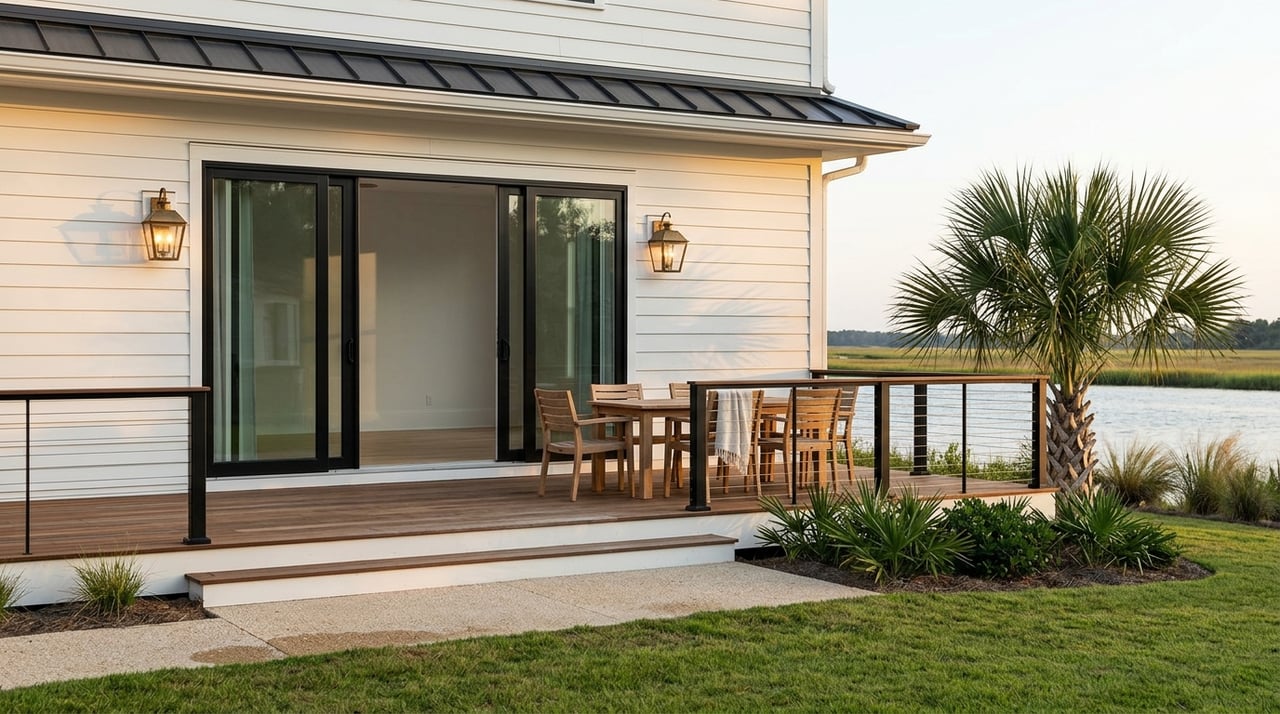
Outdoor living is a big part of life on Amelia Island, so porches, decks, breezeways, and similar features deserve real attention. Old Town guidance describes porches, pergolas, colonnades, Florida rooms, breezeways, and carports as climate-making connecting elements.
That local perspective is useful because it reminds you these spaces are more than decorative extras. They shape how the home handles sun, air movement, and the indoor-outdoor lifestyle many buyers want here.
When touring a home, take a careful look at how these outdoor elements connect to the main structure. Check visible hardware, exposed fasteners, railings, flashing points, and areas where water may collect. In coastal conditions, these transition points often tell you a lot about upkeep.
Beach-Adjacent Homes Need Extra Review
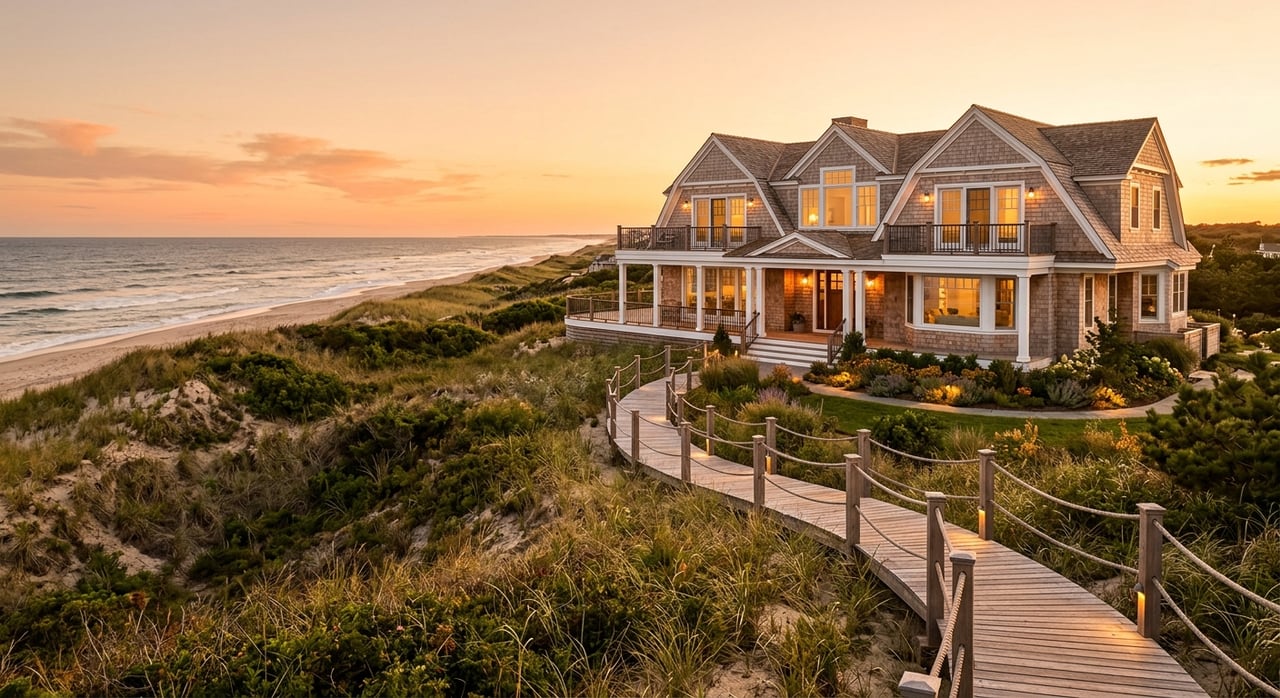
If a property is close to the ocean, there may be another layer of regulation to understand. The Florida Department of Environmental Protection’s Coastal Construction Control Line program regulates structures and activities that can cause beach erosion, destabilize dunes, damage upland properties, or interfere with public access.
For a buyer, this matters most when you are considering future changes. A deck expansion, site work, or other exterior project may involve rules that do not apply farther inland. If a home is beach-adjacent, ask early whether the site is affected.
A Smart Buyer Checklist
If you want a simple way to stay focused during showings and due diligence, use this checklist:
- Confirm the flood zone, base flood elevation, design flood elevation, and whether an elevation certificate exists.
- Compare the city parcel flood profile with FEMA’s official flood-hazard map source.
- Ask for permit history on the roof, windows, siding, decks, and additions.
- Verify whether opening protection is impact glass, shutters, or another approved system.
- Request product approvals and installation records for windows, shutters, and other protection systems when available.
- Look for signs of corrosion on flashing, connectors, fasteners, balconies, and porches.
- If the home is in Old Town or another regulated area, confirm whether design guidelines or review rules apply before planning exterior changes.
Why Local Guidance Helps
In a coastal market like Fernandina Beach, a home’s construction details can affect more than appearance. They can shape insurance planning, future renovation choices, maintenance needs, and how confidently you move forward.
That is why measured, local guidance matters. When you understand what to look for in foundations, materials, roofs, windows, flood details, and corrosion-prone areas, you are in a much stronger position to evaluate value beyond the listing photos.
If you are buying or selling on Amelia Island and want calm, locally informed guidance on how a home’s coastal construction details fit into the bigger picture, connect with Daniel Hulett.
FAQs
What flood details should you check for an Amelia Island home?
- You should confirm the flood zone, base flood elevation, design flood elevation, and whether an elevation certificate exists, since the City of Fernandina Beach says each property has a unique flood profile.
What exterior materials are common in Fernandina Beach historic areas?
- In the city’s historic guidance, wood is the predominant material, while brick and stucco are also common, and cementitious siding is considered appropriate for Florida’s climate.
What window and shutter features matter in coastal Fernandina Beach homes?
- You should verify whether the home has impact-rated glass, shutters, or another approved opening protection system, and ask for product approvals and installation records when available.
Why do raised foundations matter in Amelia Island homes?
- Raised foundations can reflect local design patterns and practical response to coastal conditions, especially since Old Town guidance notes raised masonry foundations and recommends raising new construction on piers or continuous foundations.
What should you look for on porches and decks in a coastal home?
- You should inspect visible fasteners, flashing, connectors, railings, and areas where water may collect, since outdoor structures are exposed to salt air, moisture, and wind.
What is the Coastal Construction Control Line in Florida?
- It is a Florida DEP regulatory program for beach-adjacent areas that governs structures and activities that could affect erosion, dunes, upland properties, or public access.