Looking for a part of Amelia Island that feels both lived-in and layered? Historic downtown Fernandina Beach stands out because it blends older homes, local shops, and a working harbor into one compact, walkable district. If you are considering a move, a second home, or a sale in this part of town, it helps to understand how history, architecture, and preservation rules shape daily life here. Let’s dive in.
Why downtown Fernandina feels distinct
Historic downtown Fernandina Beach is the city’s later historic core, not Old Town. The area developed after the town shifted from Old Town to its present location following the railroad era, and that growth is reflected in its late 19th- and early 20th-century buildings.
Today, the district is recognized as a 50-block historic area with more than 400 historic structures. It was listed in the National Register of Historic Places in 1973, and its historic identity is reinforced by local design guidelines and review standards that help manage exterior changes over time.
That matters if you are buying or selling here. Downtown is not just charming by accident. Its character is supported by a formal preservation framework that shapes how the area looks and evolves.
Homes in the historic district
Housing styles vary block by block
One of the most appealing things about downtown Fernandina is that the housing stock is varied. You are not looking at one repeating home style or a uniform subdivision layout.
City design guidelines identify wood-frame vernacular homes as the most common building type, but the district also includes Greek Revival, Italianate, Queen Anne, Second Empire, Gothic Revival, Colonial Revival, Spanish Mission Revival, Renaissance Revival, Tudor Revival, Bungalows, and Mediterranean Revival. That range gives the neighborhood a more collected, layered feel than many coastal markets.
Common home forms you may see
On the residential side, you will often find:
- One-story frame vernacular houses
- Bungalows
- Two-story gable-front homes with porches
- Older wooden residences near downtown
- Some larger homes on multiple lots
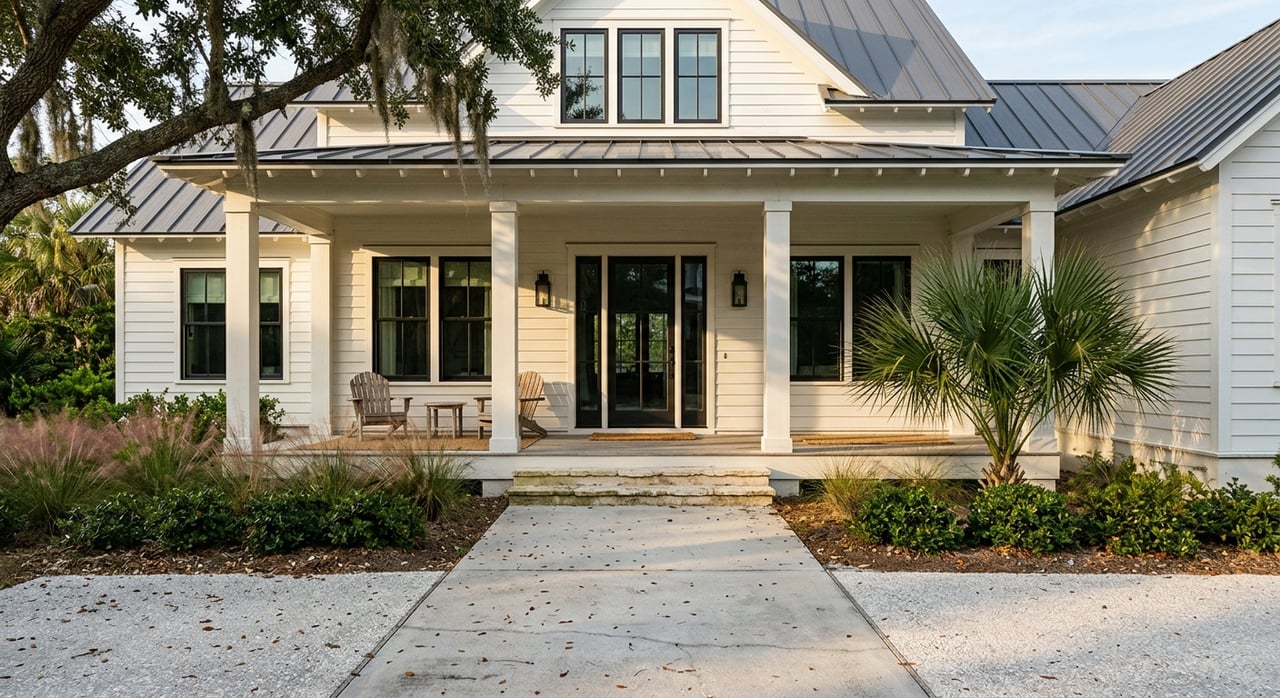
Most residential buildings are detached and set back from the street with front and side spacing. Porches are also a common feature, which adds to the streetscape and supports the relaxed, pedestrian-friendly rhythm of the neighborhood.
Victorian character is part of the appeal
Downtown Fernandina is known as one of the strongest concentrations of Victorian-period architecture in Florida. In practical terms, that can mean irregular forms, decorative trim, multiple rooflines, and varied materials and colors.
For buyers, that often translates into homes with more visual personality and architectural detail. For sellers, it means presentation matters because buyers are often drawn to authenticity, craftsmanship, and the way a home fits into the wider historic setting.
Centre Street and the mixed-use core
Downtown is not purely residential
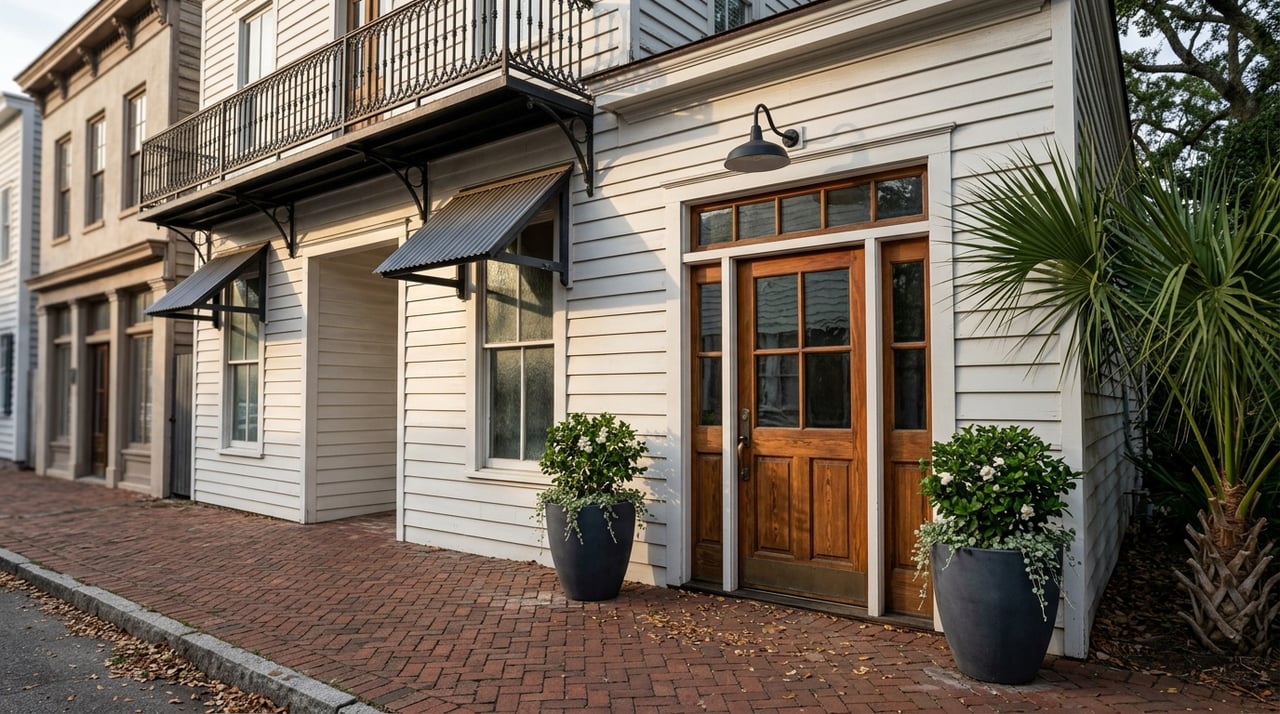
A big part of downtown Fernandina’s appeal is that homes and commercial spaces exist within the same historic environment. Around Centre Street and nearby blocks, the district shifts into a denser commercial core with masonry storefront buildings and a distinctly historic main-street feel.
According to the city’s design guidelines, many of these commercial buildings reflect Italianate influences, two-part storefront designs, cast-iron details, and flat or parapet roofs. That architectural mix helps downtown feel more like a historic village center than a typical shopping corridor.
Shops and dining support walkable living
Fernandina Beach Main Street describes downtown as a 50-block business district with retail shops, live music, and distinctive restaurants. Official tourism materials also highlight independent shops featuring local art, handmade crafts, fashion, and antiques.
If you value being able to stroll, browse, and stop for a meal without planning your whole day around the car, this area offers that kind of experience. The harbor-front and historic Centre Street are closely connected, which helps create an easy flow between shopping, dining, and waterfront views.
Street design adds to the atmosphere
The district’s layout also supports its walkable feel. City materials describe tree-lined streets, granite curbing, parks, pocket greenspaces, and a rectangular block pattern.
Those details may sound small, but they shape how a place feels when you move through it every day. For many buyers, that combination of scale, texture, and convenience is exactly what makes downtown Fernandina memorable.
Harbor life is part of daily life
The waterfront is not just scenery
Fernandina Harbor Marina sits in the heart of downtown on the Intracoastal Waterway. That location gives the district a direct connection to the water that goes beyond views alone.
The city also describes Fernandina Beach as the birthplace of the modern shrimping industry, with shrimp boats departing the docks most days. So when people talk about harbor life here, they are talking about a working waterfront as well as a recreational and visual amenity.
What that means for buyers and sellers
For buyers, the harbor adds identity and energy to the area. It helps downtown feel active and rooted in place, not just preserved for appearance.
For sellers, that waterfront backdrop can be a meaningful part of how a property is positioned. In this part of Fernandina Beach, the value story often includes proximity to the harbor, historic streets, and the downtown business district all at once.
What to know about renovation and ownership
Exterior work usually involves review
If you are drawn to downtown because you love older homes, it is important to understand the approval process for exterior changes. In Fernandina Beach’s historic district, all properties in the district, whether historic or not, must obtain a Certificate of Appropriateness before a building permit is issued for exterior work.
The Historic District Council serves as the design-review board for exterior alterations, repairs, moving, or demolition. That means renovation-minded buyers should expect more oversight here than in a non-historic neighborhood.
Design details matter
The city’s downtown guidelines address a wide range of exterior features, including:
- Storefronts
- Windows
- Roofs
- Additions
- Walkways
- Signs
- Porches
- Siding
This does not mean you cannot improve a property. It means materials, scale, and compatibility with the district are part of the process.
Taxes and value considerations
The city notes that historic-district properties are assessed at the same millage rate as other properties. However, district location can affect assessed value.
For buyers, that is a reminder to look at both the home itself and the location context. For sellers, it reinforces that downtown Fernandina occupies a specific niche within Amelia Island real estate, where character, setting, and preservation context can all influence how a property is perceived.
Who tends to like downtown Fernandina
Historic downtown Fernandina often appeals to people who want more than a house alone. You may be drawn to this area if you value older architecture, a walkable setting, easy access to shops and dining, and the presence of a working waterfront.
It can also be a strong fit if you appreciate homes with detail and individuality and understand that historic ownership usually comes with more rules around exterior changes. If that balance sounds right to you, downtown can offer a lifestyle that feels hard to duplicate elsewhere on Amelia Island.
Why local guidance matters here
In a neighborhood like this, the details matter. The difference between Old Town and the Downtown Historic District matters. The review process matters. The mix of home styles, lot patterns, commercial activity, and harbor access all matter.
That is why buyers and sellers often benefit from a calm, locally informed approach. When you understand how the district works, you can make decisions with more clarity and fewer surprises.
If you are thinking about buying or selling in historic downtown Fernandina Beach, working with a local advisor who understands housing character, renovation considerations, and the nuances of Amelia Island can make the process feel much more grounded. To start the conversation, connect with Daniel Hulett.
FAQs
What types of homes are common in historic downtown Fernandina Beach?
- Common home types include wood-frame vernacular houses, Victorian-era homes, bungalows, two-story gable-front homes with porches, and some larger residences on multiple lots.
Can you renovate a home in the Downtown Historic District of Fernandina Beach?
- Yes, but exterior work in the district generally requires a Certificate of Appropriateness before a building permit is issued.
Does historic downtown Fernandina Beach feel walkable?
- Yes, the area is described as a compact mixed-use district with shops, restaurants, the harbor-front, Centre Street, and a street layout that supports walking and browsing.
Is the harbor a major part of downtown Fernandina Beach life?
- Yes, the harbor and marina are central to downtown, and the working waterfront remains part of the area’s identity.
Is historic downtown Fernandina Beach the same as Old Town?
- No, downtown Fernandina Beach is the city’s later historic core, while Old Town is a separate historic area with its own preservation framework.